
WaterWeld Instructions: A Comprehensive Guide
WaterWeld offers robust repair solutions, demanding precise application for optimal results; ensure firm pressing during underwater work, allowing 15-25 minutes for initial setting.
What is WaterWeld?
WaterWeld is a cold-weld epoxy putty formulated for incredibly strong, permanent repairs, uniquely designed to cure even underwater – a characteristic setting it apart from many conventional adhesives.
This two-part epoxy system, when mixed, creates a bond that’s remarkably resistant to chemicals, solvents, and temperatures, making it a versatile solution for a wide array of repair needs. It’s not merely a temporary fix; WaterWeld establishes a structural bond, effectively welding metal to metal, and bonding to various other surfaces.
Its putty-like consistency allows for easy application and shaping, even in difficult-to-reach areas. The product’s ability to harden without the need for preheating or access to dry conditions makes it invaluable for emergency repairs and on-site maintenance, particularly in marine or plumbing environments.
WaterWeld vs. Other Epoxy Putties
WaterWeld distinguishes itself from standard epoxy putties primarily through its exceptional ability to cure reliably underwater, a feature lacking in most competitors. While many epoxies require a completely dry surface for effective bonding, WaterWeld actively seeks moisture for its curing process.
Furthermore, WaterWeld often exhibits superior strength and durability, particularly when exposed to harsh environmental conditions. Its formulation provides enhanced resistance to chemicals, temperature fluctuations, and vibrations, extending the lifespan of repairs.
Compared to some faster-setting epoxies, WaterWeld offers a longer working time, allowing for more intricate applications and adjustments. However, this extended working time is balanced by a robust final bond strength, making it ideal for permanent fixes needing lasting resilience.
Applications of WaterWeld
WaterWeld’s versatility shines across a broad spectrum of repair tasks, excelling in scenarios where traditional methods fall short. Its underwater curing capability makes it invaluable for boat repairs – patching hulls, fixing propellers, and sealing leaks – without dry docking.
Beyond marine applications, WaterWeld effectively repairs plumbing, automotive components (radiators, fuel tanks), and household items like ceramic fixtures and metal pipes. It’s a go-to solution for DIY projects, offering a durable, waterproof seal.
Industrially, WaterWeld finds use in repairing machinery, tanks, and pipelines, providing a quick and reliable fix in emergency situations. Its ability to bond diverse materials – metal, plastic, ceramic, glass – expands its utility significantly.

Common Repair Scenarios
WaterWeld frequently addresses leaks in pipes and tanks, providing a robust, waterproof seal that withstands pressure. Boat owners commonly utilize it for hull breaches, propeller fixes, and through-hull fitting repairs, often performed directly underwater.
Automotive repairs include patching radiators (temporary fixes), sealing fuel tanks, and mending exhaust systems. Household applications encompass repairing cracked ceramic tiles, fixing leaky faucets, and bonding broken plastic components.
Emergency repairs benefit greatly from WaterWeld’s rapid setting time; quickly sealing a burst pipe or temporarily fixing a damaged machine part minimizes downtime. Its adaptability makes it ideal for diverse, unexpected damage situations.
Materials WaterWeld Bonds To
WaterWeld demonstrates exceptional adhesion to a wide spectrum of materials, making it incredibly versatile. It bonds strongly to metals – including steel, iron, aluminum, and brass – providing durable, lasting repairs. Plastics, both rigid and flexible, are readily bonded with proper surface preparation.
Ceramics and porcelain benefit from WaterWeld’s bonding capabilities, effectively sealing cracks and restoring structural integrity. Glass, while requiring careful application, can also be repaired using this epoxy putty. Concrete and masonry surfaces are suitable for patching and filling.
Furthermore, WaterWeld adheres well to various rubbers and some fabrics, expanding its utility beyond traditional repair applications. However, testing a small area is always recommended for optimal results.
Safety Precautions
WaterWeld, while incredibly useful, requires adherence to crucial safety guidelines. Always work in a well-ventilated area to avoid inhaling fumes released during mixing and curing. Direct skin contact should be avoided; wear appropriate gloves to prevent irritation or allergic reactions.
Eye protection, such as safety glasses or goggles, is essential to shield against splashes. If contact occurs, flush thoroughly with water and seek medical attention if irritation persists. Keep WaterWeld away from open flames and sources of ignition, as it is combustible.
Avoid ingestion; if swallowed, do not induce vomiting and immediately contact a poison control center. Store the product securely, out of reach of children and pets. Follow all instructions on the product packaging for safe handling.
Handling and Storage
WaterWeld components should be handled with care to maintain their effectiveness. Before opening, store the dual-part epoxy putty in a cool, dry environment, away from direct sunlight and extreme temperatures. Ideal storage temperatures range between 60°F and 80°F (15°C and 27°C) to prevent premature curing or degradation.
Once opened, tightly reseal both parts of the WaterWeld package to minimize air exposure, which can lead to hardening. Avoid introducing contaminants into the containers. Properly sealed, the product has a substantial shelf life, but performance may diminish over time.
Discard any material that exhibits signs of hardening or discoloration. Always refer to the product’s packaging for specific storage recommendations and expiration dates.
Personal Protective Equipment (PPE)
When working with WaterWeld, prioritizing personal safety is crucial. Always wear appropriate personal protective equipment (PPE) to prevent skin and eye irritation. Nitrile gloves are highly recommended to avoid direct contact with the epoxy putty components, as prolonged exposure can cause dermatitis.
Safety glasses or goggles are essential to protect your eyes from splashes or accidental contact. In situations where dust or fumes may be generated during surface preparation, a respirator is advisable. Ensure adequate ventilation in the work area to minimize inhalation of any potential vapors.

Old clothing or a work apron will protect your garments from epoxy residue. Following these PPE guidelines ensures a safe and comfortable repair experience.

Applying WaterWeld: Step-by-Step Instructions
Successful WaterWeld application requires meticulous preparation and technique; follow each step carefully for a durable, watertight bond, ensuring a lasting repair solution.

Surface Preparation
Proper surface preparation is paramount for a strong and lasting WaterWeld repair; neglecting this crucial step significantly compromises adhesion and overall durability. Begin by removing any loose debris, rust, scale, or contaminants from the repair area using a wire brush, sandpaper, or grinder – the goal is to expose a clean, sound surface for bonding.
For optimal results, roughening the surface slightly creates a mechanical key, enhancing the epoxy putty’s grip. Ensure all traces of oil, grease, paint, or other coatings are completely eliminated, as these substances act as barriers preventing proper adhesion. Consider using a solvent-based cleaner specifically designed for degreasing metal surfaces.
Thorough preparation isn’t merely about cleanliness; it’s about creating an environment where WaterWeld can forge a robust, permanent connection with the underlying material, guaranteeing a reliable and long-lasting fix.
Cleaning the Repair Area
Meticulous cleaning is essential before applying WaterWeld, ensuring optimal adhesion and a durable repair. Start by removing any loose particles – rust, dirt, old paint, or scale – using a wire brush or sandpaper. This initial step creates a better surface for bonding.
Next, degrease the area thoroughly. Oils, grease, and other contaminants prevent the WaterWeld from properly adhering to the material. Utilize a dedicated degreasing agent, following the manufacturer’s instructions carefully. Wipe the surface clean with a lint-free cloth, ensuring no residue remains.
For stubborn contaminants, consider a solvent-based cleaner, but always test it in an inconspicuous area first to avoid damaging the underlying material. A clean surface is a receptive surface, maximizing the strength and longevity of your WaterWeld repair.
Drying the Surface
Complete dryness is paramount for successful WaterWeld application, as moisture significantly compromises adhesion. After cleaning, thoroughly dry the repair area using a clean, lint-free cloth. For surfaces exposed to water, allow ample time for evaporation – several hours, or even overnight, depending on humidity and temperature.
If rapid drying is necessary, a heat gun or hairdryer (on a low setting) can be employed, but exercise caution to avoid overheating the material. Ensure the surface is cool to the touch before applying WaterWeld. Any residual moisture can create voids within the cured epoxy, weakening the bond.
For underwater repairs, this step is obviously bypassed, as WaterWeld is specifically designed for wet conditions; however, removing excess standing water is still beneficial.
Mixing WaterWeld
Initiate the mixing process by removing equal portions of the resin and hardener from their respective containers. WaterWeld’s unique formulation requires thorough blending to activate its bonding properties. Begin with small amounts – approximately 1-inch pieces – to manage the working time effectively. Avoid introducing air bubbles during this crucial stage, as they can diminish the final strength of the repair;
Use a clean, disposable tool – a plastic knife or mixing stick – to combine the components. Work on a non-porous surface to prevent sticking and facilitate cleanup. The goal is a uniform, consistent color, indicating complete integration of the resin and hardener.
Kneading the Components
Once the resin and hardener are initially combined, the kneading process begins. This isn’t simply mixing; it’s a deliberate working of the material to ensure complete molecular bonding. Use a firm, consistent kneading action, similar to working dough, for approximately two to three minutes. Focus on folding the putty over itself repeatedly, rather than smearing it across the surface.
Effective kneading eliminates streaks and ensures a homogenous mixture. Continue until the putty achieves a uniform color and a smooth, pliable texture. This step is vital for maximizing WaterWeld’s adhesive strength and durability. Insufficient kneading will result in a weakened bond and potential repair failure.
Mixing Ratio and Consistency
WaterWeld’s effectiveness hinges on a precise mixing ratio – typically a 1:1 ratio by volume of the resin and hardener components. While visual estimation can work, employing a scale for accurate measurement is highly recommended, especially for larger repairs. Deviating from this ratio compromises the final bond strength and curing properties.
The ideal consistency resembles modeling clay; it should be pliable enough to easily shape and apply, yet firm enough to hold its form without slumping. If the mixture feels too sticky, continue kneading. If it’s overly stiff, a slight adjustment in the ratio – adding a tiny amount of hardener – may be necessary.
Application Techniques
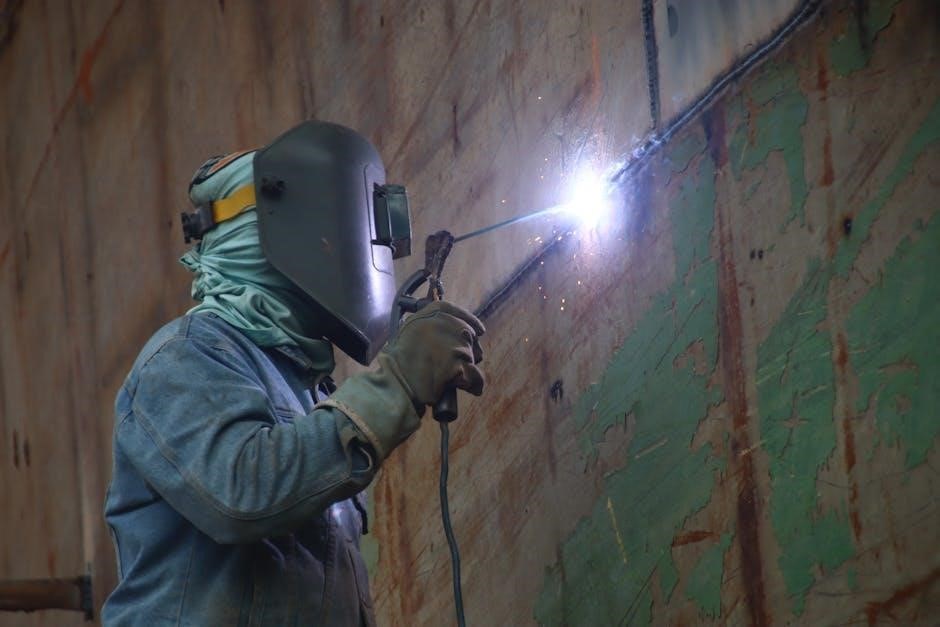
Successful WaterWeld application demands careful technique, differing slightly between underwater and above-water scenarios. For both, thoroughly knead the mixed putty until a uniform color is achieved. Apply firm, consistent pressure when pressing the WaterWeld into the repair area, ensuring complete contact with the surfaces being bonded. This is particularly crucial for underwater repairs.
Avoid introducing air pockets during application, as these weaken the bond. Build up the putty in layers if a thicker repair is needed, allowing each layer to partially set before adding the next. Feather the edges of the applied putty to create a smooth transition with the surrounding material.
Underwater Applications
WaterWeld excels in underwater repairs, but requires specific attention to detail. Before applying, ensure the surfaces are as clean and dry as possible, even underwater. Press the putty firmly and hold it in place until it begins to set – typically within 15-25 minutes. This initial hold is vital, as water currents can displace the putty before it bonds.
Avoid excessive movement or disturbance of the repair area during this initial setting phase. WaterWeld’s unique formulation allows it to cure even when fully submerged, creating a waterproof and durable bond. Remember that cure times may be slightly extended in colder water temperatures.
Above-Water Applications
For above-water repairs, WaterWeld maintains its ease of use and strong bonding capabilities. Thorough surface preparation remains crucial; ensure the area is clean, dry, and free of any loose debris or contaminants. Apply the mixed WaterWeld directly to the damaged area, pressing firmly to ensure complete contact.
Unlike underwater applications, you have more control over positioning and can readily adjust the putty as needed before it begins to set. While not subject to water currents, avoid any significant vibrations or impacts during the initial setting period. WaterWeld will typically achieve a full cure faster in air compared to submerged environments, offering quicker return to service.
Curing and Setting Time
WaterWeld’s curing process is influenced by several factors, including temperature and the surrounding environment. Initial set time, where the putty begins to harden and gain some structural integrity, typically ranges from 15 to 25 minutes. This allows for some handling and minor adjustments, particularly in underwater scenarios where maintaining position is key.
However, achieving full cure – where WaterWeld reaches its maximum bond strength – requires approximately one hour. Lower temperatures can extend this timeframe, while warmer conditions may accelerate it. Avoid disturbing the repaired area during both the initial set and full cure phases to ensure optimal adhesion and a durable, long-lasting repair.
Initial Set Time
WaterWeld’s initial set time is a crucial phase, marking the transition from pliable putty to a developing bond. Typically, you can expect the material to begin hardening within a 15 to 25-minute window after application. This timeframe provides a limited opportunity for minor adjustments or repositioning, especially vital when working in challenging environments like underwater repairs.
During this initial set, it’s paramount to avoid any disturbance to the repaired area. Maintaining consistent pressure, particularly for underwater applications, is essential to ensure proper adhesion as the putty begins to take hold. While not fully cured, the initial set provides a foundational stability for the final bond.
Full Cure Time & Factors Affecting It
Achieving WaterWeld’s full cure typically requires approximately one hour following the initial set. However, this duration isn’t fixed and can be influenced by several key factors. Temperature plays a significant role; warmer environments generally accelerate the curing process, while colder temperatures can substantially extend it. The thickness of the applied WaterWeld also impacts cure time – thicker applications require longer to fully harden throughout.
Humidity levels and the presence of moisture can also affect the cure, though WaterWeld is specifically designed for wet conditions. Ensuring adequate ventilation, even underwater, aids in optimal curing. Allowing sufficient time for a complete cure is vital to realize WaterWeld’s maximum strength and durability, guaranteeing a long-lasting repair.
Be First to Comment