Mercedes-Benz manual cars represent a diminishing, yet cherished, connection to driving purity. Enthusiasts value the engagement and control offered, despite the brand’s shift away from this transmission type.
Historical Significance of Manual Transmissions in Mercedes-Benz
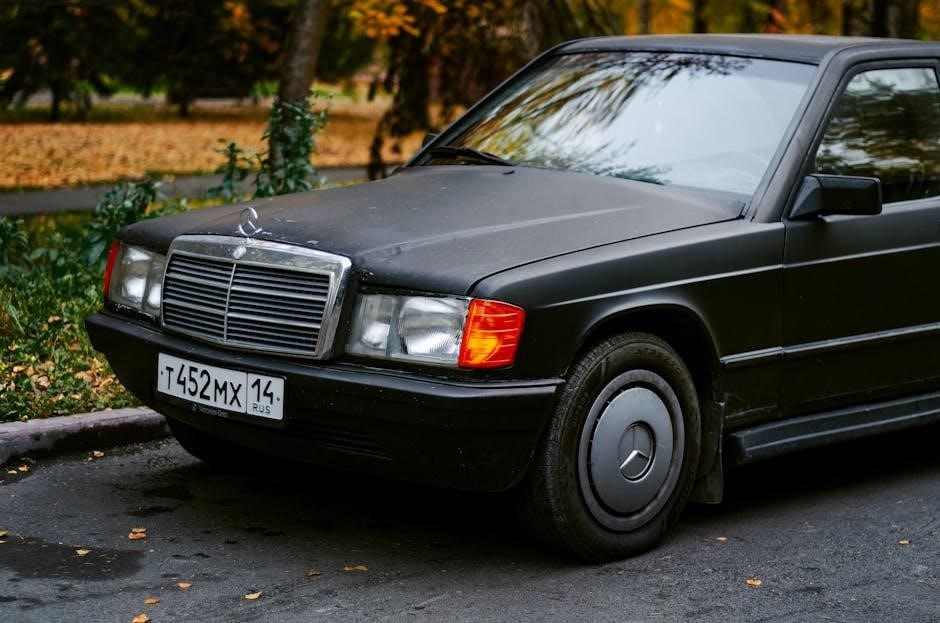
Historically, manual transmissions were fundamental to the Mercedes-Benz driving experience, offering a direct link between driver and machine. Early Mercedes-Benz models almost exclusively featured manual gearboxes, establishing a tradition of driver involvement. As technology evolved, automatics gained prominence, yet manuals remained available for those prioritizing control and engagement.
The persistence of manual options, even as automatics improved, demonstrates a commitment to catering to a specific enthusiast base. This dedication reflects a belief in the intrinsic value of a driver-focused experience. The W210 E-Class and W124 are prime examples, showcasing the enduring appeal of a manual Mercedes-Benz.
The Appeal of Driving a Mercedes-Benz Manual
Driving a manual Mercedes-Benz offers a uniquely engaging experience, fostering a deeper connection with the vehicle. The tactile feedback of the gearshift, the control over engine braking, and the satisfaction of precise gear changes contribute to a more immersive driving experience. For enthusiasts, it’s about more than just transportation; it’s about actively participating in the driving process.
This appeal extends beyond performance, encompassing a sense of ownership and control often absent in automatic transmissions. It’s a purist’s choice, valuing skill and involvement over convenience, offering a rewarding experience for those who appreciate the art of driving.
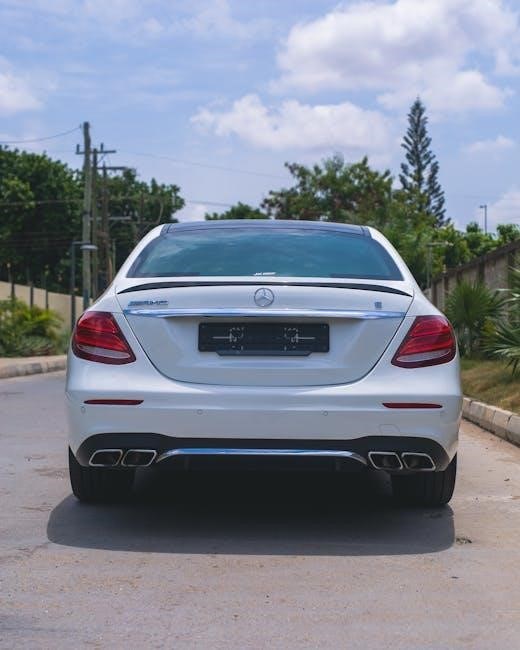
Popular Mercedes-Benz Models Available with Manual Transmissions
Several classic Mercedes-Benz models, like the W210 E-Class, W124, and certain SL variants, were offered with manual transmissions, attracting dedicated enthusiasts today.
W210 E-Class: A Notable Example
The W210 E-Class, produced from 1995 to 2003, stands as a particularly sought-after model for manual transmission aficionados. Often lauded for its robust engineering and comfortable ride, the W210 offered a rewarding driving experience when equipped with a five-speed manual gearbox. Reports indicate that issues sometimes arose during restoration, such as a “no start” condition after reassembly, requiring meticulous checking of various components.
This generation embodies a sweet spot between classic Mercedes-Benz build quality and modern features, making it a compelling choice for those desiring a driver-focused experience. Finding a well-maintained W210 with a manual transmission is becoming increasingly challenging, further enhancing its appeal within the collector community.
W124: A Classic Choice for Manual Enthusiasts
The W124 series, manufactured from 1985 to 1996, represents a golden era for Mercedes-Benz durability and is highly regarded by manual transmission enthusiasts. Its over-engineered construction ensures longevity, and the available five-speed manual gearboxes provide a direct connection to the engine. The W124’s reputation for reliability makes it a practical classic, capable of daily use.
These models offer a unique blend of comfort and engaging driving dynamics. As with any older vehicle, diligent maintenance is crucial, but the W124’s robust design often rewards owners with years of trouble-free motoring, solidifying its status as a timeless choice.
SL Models with Manual Options
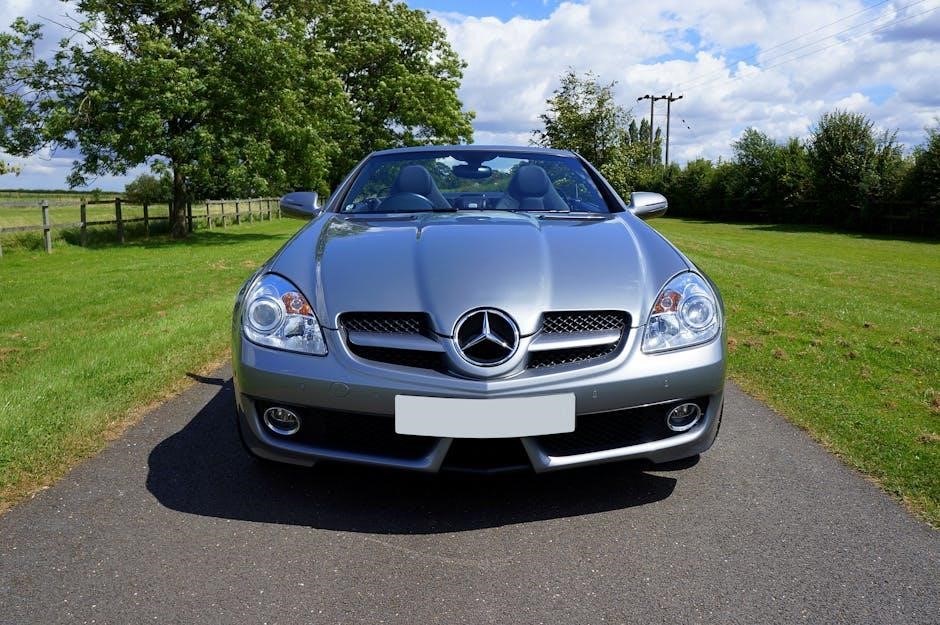
Certain Mercedes-Benz SL models offered manual transmissions, adding a sporty dimension to the luxurious roadster experience. The R107 SL, produced from 1971 to 1989, featured a five-speed manual option on some variants, particularly the 300SL and 560SL. These are now highly sought after by collectors and driving purists.
The manual SLs provide a more visceral connection to the powerful engines, enhancing the open-top driving experience. Finding a well-maintained example can be challenging, but the reward is a unique and engaging classic Mercedes-Benz.
The Mechanics of Mercedes-Benz Manual Gearboxes
Mercedes-Benz manual gearboxes utilize synchromesh technology for smooth shifting, featuring robust construction and precise engineering to handle significant engine power.
Gear Ratios and Performance Characteristics
Mercedes-Benz manual transmissions were typically paired with gear ratios designed to balance performance and fuel efficiency, catering to the specific engine characteristics of each model. These ratios often prioritized comfortable cruising, a hallmark of the brand, while still providing adequate acceleration. The W210 E-Class, for example, featured ratios optimized for both highway driving and spirited performance.
Different models and engine configurations employed varying ratios to suit their intended purpose. Generally, lower gears provided quicker acceleration, while higher gears enhanced fuel economy at sustained speeds. The precise ratios influenced the car’s responsiveness and overall driving experience, contributing to the engaging feel favored by manual transmission enthusiasts. Careful consideration was given to ensuring smooth transitions between gears.
Common Manual Transmission Types Used by Mercedes-Benz
Mercedes-Benz predominantly utilized traditional synchromesh manual transmissions in their models offering a manual option. These transmissions, known for their durability and precise operation, featured five or six forward gears depending on the model year and specific vehicle. While not employing advanced technologies like dual-clutch systems in their manual offerings, Mercedes focused on refining the conventional design for a smooth and reliable driving experience.
The internal components were engineered to withstand the torque output of their engines, ensuring longevity and consistent performance. Variations existed between models, tailored to match engine characteristics, but the core synchromesh design remained consistent throughout the production run of manual Mercedes-Benz vehicles.
Maintenance and Servicing of Mercedes-Benz Manual Transmissions
Regular maintenance is crucial for the longevity of a Mercedes-Benz manual transmission. Fluid changes, typically using a specific Mercedes-Benz transmission oil, should occur every 30,000-60,000 miles, depending on driving conditions. Inspecting the clutch master and slave cylinders for leaks is vital, as failure leads to shifting issues.
Additionally, check the shift linkage for wear and proper adjustment. Ignoring these aspects can result in difficult gear changes or complete transmission failure. Proper care ensures smooth operation and prevents costly repairs, preserving the driving experience of these classic vehicles.
Troubleshooting Common Issues with Mercedes-Benz Manual Cars
Common problems include clutch failure, gear shifting difficulties, and transmission slippage. Diagnosing these issues promptly prevents further damage and restores driving enjoyment.
Clutch Problems: Symptoms and Solutions
Identifying clutch issues early is crucial for maintaining drivability. Slipping, where engine RPMs rise without corresponding speed, is a primary symptom. Difficulty engaging gears, especially first or reverse, also indicates a problem. A spongy or low clutch pedal feel suggests air in the hydraulic system or a failing master/slave cylinder.
Solutions range from simple adjustments to complete replacements. Bleeding the hydraulic system resolves air pockets. Worn clutch discs, pressure plates, or throw-out bearings necessitate replacement. Upgrading to a performance clutch can enhance durability and handling for modified vehicles. Ignoring these symptoms leads to more extensive and costly repairs.
Gear Shifting Difficulties: Causes and Repairs
Experiencing trouble selecting gears in your Mercedes-Benz manual can stem from several sources. Worn synchronizers, responsible for matching gear speeds, are a common culprit, causing grinding noises. Low or contaminated transmission fluid hinders smooth operation. A bent shift linkage or damaged selector rod can physically impede gear changes. Internal transmission wear also contributes to difficulty.
Repairs involve addressing the root cause. Fluid changes are a simple first step. Synchronizer replacement requires transmission disassembly. Adjusting or replacing shift linkages restores proper movement. In severe cases, a transmission rebuild or replacement may be necessary to restore optimal shifting performance.
Transmission Slippage: Diagnosis and Potential Fixes
Transmission slippage in a Mercedes-Benz manual manifests as the engine revving without a corresponding increase in speed. This often indicates worn clutch components, like the friction disc or pressure plate. Low transmission fluid can also contribute, reducing lubrication and grip. Internal damage to gears or synchros can cause slippage, especially under load.
Diagnosis involves inspecting the clutch for wear and checking fluid levels. If slippage is intermittent, an electronic issue could be present. Potential fixes range from clutch replacement to fluid top-ups or, in severe cases, a complete transmission overhaul.
Finding and Purchasing a Mercedes-Benz Manual Car
Locating a Mercedes-Benz with a manual transmission requires diligent searching through online marketplaces and specialist forums, as they are becoming increasingly rare finds.
Where to Look for Used Models
Dedicated Mercedes-Benz forums, like MercedesForum.nl/be, often host classifieds sections where enthusiasts directly sell their cherished manual cars. These platforms frequently feature well-maintained examples with documented histories. Online marketplaces, such as specialized classic car websites and general automotive listings, are also viable options, though require more thorough vetting.
Furthermore, consider contacting Mercedes-Benz dealerships, particularly those known for catering to enthusiasts – Rüttchen in Gorinchem is highlighted for customer service – as they might occasionally have trade-ins or know of upcoming sales. Patience and consistent searching are key, given the dwindling availability of these vehicles. Remember to expand your search geographically to increase your chances of finding the perfect car.
Factors to Consider When Buying
Prioritize a comprehensive service history, meticulously documenting maintenance, especially clutch and transmission work. Inspect for signs of clutch wear – slippage during acceleration is a key indicator. Thoroughly assess the gearshift quality; any crunching or difficulty selecting gears warrants further investigation.
Given the age of many manual Mercedes-Benz models, rust is a significant concern, particularly on the undercarriage. Verify the car hasn’t been subjected to harsh driving or modifications. Utilize the Mercedes Guides app to cross-reference features and understand the original specifications. A pre-purchase inspection by a qualified Mercedes-Benz mechanic is invaluable.
Pre-Purchase Inspection Checklist
Begin with a thorough clutch test: check for smooth engagement, absence of slippage, and proper pedal feel. Inspect the gearbox for leaks and unusual noises during operation. Verify all gears engage cleanly without crunching or resistance. Examine the shift linkage for wear or looseness.
Assess the car’s overall condition, paying close attention to rust, especially underneath. Confirm the vehicle’s history matches the documentation. Utilize diagnostic tools to scan for any stored error codes. A qualified Mercedes-Benz technician should perform a compression test to evaluate engine health, impacting overall value.
The Future of Manual Transmissions at Mercedes-Benz
Mercedes-Benz discontinued manual options in 2023, impacting the collector’s market. A future reintroduction seems unlikely, solidifying their rarity and potential value.
Mercedes-Benz’s Phasing Out of Manual Options (2023)
Mercedes-Benz officially ceased offering manual transmissions in their vehicle lineup in 2023. This decision, while anticipated by many within the automotive industry, marked the end of an era for driving purists. The shift reflects a broader trend towards automatic transmissions and advanced driver-assistance systems. Reports indicated the brand was already moving away from manuals prior to this formal announcement.
Factors contributing to this change include declining consumer demand for manual gearboxes and the increasing complexity of modern vehicle technology. Automakers prioritize efficiency and ease of use, which automatic transmissions often deliver more effectively. This move aligns Mercedes-Benz with other luxury brands that have also discontinued manual options.
The Impact on the Collector’s Market
The discontinuation of manual Mercedes-Benz models in 2023 has significantly impacted the collector’s market, driving up the value of existing cars equipped with manual transmissions. These vehicles are now considered increasingly rare and desirable among enthusiasts who appreciate the traditional driving experience.
Well-maintained, low-mileage examples, particularly iconic models like the W124 and W210 E-Class with manual gearboxes, are experiencing heightened demand. Experts predict this trend will continue, establishing these cars as future classics. The scarcity created by Mercedes-Benz’s decision elevates their status and investment potential.
Potential for Future Reintroduction
Despite Mercedes-Benz’s current stance against manual transmissions, a future reintroduction isn’t entirely impossible. Shifting consumer preferences and a growing appreciation for analog driving experiences could prompt a reconsideration. The automotive industry often witnesses unexpected revivals of beloved features.
However, factors like tightening emissions regulations and the complexity of integrating manual gearboxes into modern vehicle architectures present significant challenges. A limited-edition, enthusiast-focused model might be a more realistic scenario than a widespread return. The demand from dedicated fans could influence future decisions.
Resources for Mercedes-Benz Manual Car Owners
Online forums and the Mercedes Guides app (Android & iOS) provide valuable support, technical data, and troubleshooting assistance for owners of these vehicles.
Online Forums and Communities
Mercedes-Benz forums are invaluable resources for manual car owners seeking advice, sharing experiences, and finding solutions to common issues. These online communities, like MercedesForum.nl/be, foster a collaborative environment where enthusiasts connect.
Members discuss everything from maintenance tips and repair procedures to modifications and sourcing rare parts. You’ll find detailed threads addressing specific transmission problems, clutch adjustments, and gear shifting techniques. These platforms often contain a wealth of knowledge accumulated over years of collective ownership, offering insights not readily available elsewhere. Active participation can significantly enhance your ownership experience and help preserve these classic vehicles.
Mercedes-Benz Guides App (Android & iOS)
Mercedes-Benz offers a free “Mercedes Guides” application, available for both Android and iOS devices. This app provides digital access to nearly all vehicle manuals, including those for models equipped with manual transmissions. It’s a convenient way to access detailed information about your car’s features and operation.
Beyond static manuals, the app includes instructional videos demonstrating special features and procedures. This visual guidance can be particularly helpful for understanding complex systems or performing basic maintenance tasks. Having this information readily available on your smartphone or tablet ensures you’re always prepared, whether at home or on the road.
Official Mercedes-Benz Documentation
Mercedes-Benz provides comprehensive official documentation for all its vehicles, including those with manual transmissions. This documentation encompasses owner’s manuals, service manuals, and technical specifications. Accessing these resources is crucial for understanding your car’s intricacies and ensuring proper maintenance.
While the “Mercedes Guides” app offers a convenient digital format, original printed manuals retain value for detailed diagrams and historical context. These documents detail specific procedures for manual gearbox operation, troubleshooting, and repair; Consulting official sources guarantees accuracy and prevents potential damage caused by incorrect servicing or modifications.
Modifications and Upgrades for Mercedes-Benz Manual Cars
Enhancements like performance clutches, short-shifter kits, and custom shift knobs can elevate the driving experience of a Mercedes-Benz manual car.
Performance Clutch Upgrades
Upgrading the clutch is a popular modification for Mercedes-Benz manual cars, particularly those experiencing increased power or used for spirited driving. Stock clutches may struggle to handle significant torque, leading to slippage and reduced performance. Performance clutches offer higher clamping force, ensuring efficient power transfer to the wheels.
Several options are available, ranging from organic clutches for improved pedal feel to ceramic clutches designed for extreme performance. Considerations include driving style, power output, and desired level of engagement. A heavier clutch pedal is often a trade-off for increased holding capacity. Proper installation and break-in procedures are crucial for optimal performance and longevity of the upgraded clutch system.
Short Shifter Kits
Short shifter kits significantly alter the gear lever travel distance in Mercedes-Benz manual transmissions, resulting in quicker, more precise gear changes. These kits reduce the throw between gears, minimizing the time spent not accelerating or decelerating. Installation typically involves replacing factory linkage components with shorter, more direct alternatives.
Benefits include a sportier driving experience and improved track performance. However, some kits may require more effort to engage gears, and can potentially increase wear on transmission components if not properly adjusted. Choosing a reputable brand and following installation instructions carefully are essential for a successful upgrade. Consider your driving style when selecting a kit.
Shift Knob Options
Shift knob options for Mercedes-Benz manual cars extend far beyond the factory-installed designs, offering a personalized touch to the driving experience. Materials range from leather and aluminum to carbon fiber and wood, catering to diverse aesthetic preferences. Weighted shift knobs can improve shift feel by enhancing momentum and reducing notchiness.
Beyond aesthetics, ergonomic considerations are crucial. Knob shape and size impact comfort during extended drives. Aftermarket options often feature unique designs or incorporate illuminated elements. Ensure compatibility with the vehicle’s shift lever thread pattern before purchasing. A well-chosen shift knob elevates both the look and feel of the interior.
Mercedes-Benz Dealer Network and Support
Rüttchen in Gorinchem is recognized as a customer-friendly Mercedes-Benz dealer in the Netherlands, offering technical data, manuals, and service options.
Finding a Customer-Friendly Dealer (e.g., Rüttchen in Gorinchem)
Locating a Mercedes-Benz dealer with genuine enthusiasm for classic and enthusiast models, particularly those with manual transmissions, can significantly enhance the ownership experience. While many dealerships prioritize newer vehicles, some, like Rüttchen in Gorinchem, Netherlands, have earned a reputation for exceptional customer service.
This dealer was recognized as the most customer-friendly Mercedes-Benz dealer in the Netherlands in 2016. When seeking support for a manual Mercedes, prioritize dealerships willing to access technical data and understand the nuances of older transmissions. Online forums (mentioned elsewhere) can provide valuable insights into dealer experiences shared by other owners, helping you identify those truly dedicated to supporting the Mercedes-Benz community.
Accessing Technical Data and Manuals
Obtaining technical data and owner’s manuals is crucial for maintaining a Mercedes-Benz with a manual transmission. Fortunately, resources are available to assist owners. The Mercedes-Benz Guides app (available for Android & iOS) provides free access to nearly all manuals, including instructional videos covering special features.
Beyond the app, online Mercedes-Benz forums and communities often host digitized versions of workshop manuals and parts lists. A customer-friendly dealer, like Rüttchen, may also be willing to provide access to technical information. Thorough documentation empowers owners to perform informed maintenance and repairs, preserving the longevity of their classic vehicles.
Warranty and Service Options
Warranty coverage for Mercedes-Benz manual cars largely depends on whether the vehicle is new, used, or purchased through a dealer. Newer models may still have remaining factory warranty, while used cars often lack comprehensive coverage. Extended warranties are available from various providers, offering peace of mind against unexpected repairs.
Service options range from independent Mercedes-Benz specialists to official dealerships like Rüttchen. Dealerships provide access to genuine parts and trained technicians, but may be more expensive. Regular servicing, including manual transmission-specific checks, is vital for maintaining reliability and value.
Be First to Comment