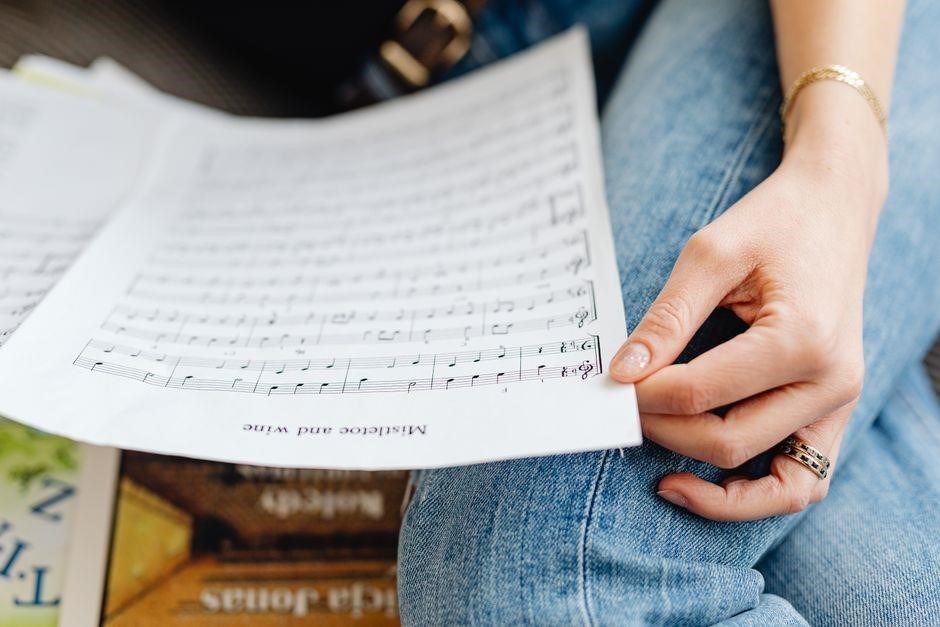
Discover how to locate and use carol of the bells sheet music piano pdf for holiday performances. This guide explains key steps, from searching reputable sites to ensuring legal downloads. It also highlights common pitfalls and offers quick tips for beginners. Perfect for both soloists and ensembles, it brings joy to any setting.
Historical Background of Carol of the Bells
The piece that has become a staple of holiday concerts began as a Ukrainian choral work in 1914. It was originally titled “Shchedryk” and was composed by Mykola Leontovych for a choir. The melody’s lilting rhythm and bright harmonies captured the spirit of spring, but it was not until the 1930s that the tune crossed borders and entered the Western repertoire.
In 1936, American composer Peter J. Wilhousky transcribed the choral setting for piano and added a dramatic, syncopated accompaniment. He titled his arrangement “Carol of the Bells,” and it quickly gained popularity in concert halls and radio broadcasts. The work’s energetic ostinato and cascading arpeggios made it a favorite for both virtuoso pianists and amateur performers.
Over the decades, the piece has been recorded by countless artists and featured in films, television specials, and holiday albums. Its enduring appeal lies in its blend of folk melody and modern orchestration, which continues to resonate with audiences worldwide.
Today, the composition continues to inspire new arrangements across genres, from jazz interpretations to orchestral transcriptions. Many contemporary composers have taken the core motif and expanded it into longer works, exploring its harmonic possibilities. In addition, the piece is a common choice for holiday concerts, school recitals, and community performances, making it accessible to pianists of all skill levels. Its rhythmic drive and memorable melodic fragments have also made it a popular choice for film scores and television themes during the winter season. Its timeless charm ensures it remains a beloved holiday staple now
Composer and Original Composition
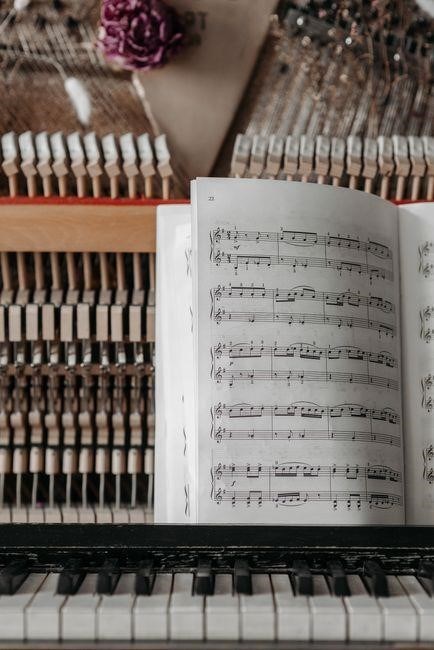
Mykola Leontovych, a Ukrainian composer, first introduced a folk‑inspired melody in 1914. The tune, originally titled “Shchedryk,” was written for a choir and captured the spirit of spring with its lilting rhythm and bright harmonies. In 1936, Peter J. Wilhousky transcribed the choral work for piano, adding a dramatic, syncopated accompaniment that transformed the piece into a holiday classic. Wilhousky’s arrangement, often performed during the winter season, blends the original folk motif with modern orchestration, creating an energetic ostinato and cascading arpeggios that have become iconic. Over the decades, the composition has been recorded by countless artists and featured in films, television specials, and holiday albums. Its enduring appeal lies in its blend of folk melody and contemporary arrangement, which continues to resonate with audiences worldwide. Today, the work remains a staple in concert halls, school recitals, and community performances, accessible to pianists of all skill levels. Its rhythmic drive and memorable melodic fragments have also made it a popular choice for film scores and television themes during the winter season. The piece’s timeless charm ensures it remains a beloved holiday staple now
Its melodic contours, characterized by a rising arpeggiated motif, have inspired numerous arrangements. The original harmonic language, rooted in modal scales, offers a rich palette for improvisation and reinterpretation. Contemporary composers often incorporate its rhythmic vitality into modern concert pieces, ensuring its relevance for new generations of musicians for all ages
Musical Analysis of the Piece
Carol of the Bells is built around a relentless ostinato that propels the piece forward. The left hand maintains a steady, syncopated pattern in 4/4 time, while the right hand delivers bright, cascading arpeggios that echo the original folk melody. This interplay creates a sense of perpetual motion, a hallmark of the arrangement’s energy. Harmonic structure is relatively simple, employing a tonic–dominant relationship that shifts subtly to keep the listener engaged. The piece’s key is often presented in C major, but the use of chromatic passing tones adds color and tension. Dynamics fluctuate dramatically, from pianissimo passages that suggest a quiet bell toll to fortissimo climaxes that mimic a full, resonant chime. Rhythmically, the piece relies on triplet figures that give it a swirling feel, while the syncopated accents in the left hand create a syncopated pulse that feels almost like a heartbeat. The melodic line is short and repetitive, but its rhythmic placement and harmonic context give it a memorable hook. Overall, the composition balances simplicity and excitement, making it both approachable for beginners and thrilling for advanced players. The piece’s structure is cyclical, with each repetition adding slight variations that prevent monotony. The combination of steady rhythm, bright harmonics, and dynamic contrast makes Carol of the Bells a quintessential holiday staple that continues to captivate audiences worldwide.
Its rhythmic drive and bright harmonics invite improvisation, while its concise structure keeps performers engaged. The piece’s popularity ensures it remains a staple in holiday concerts and recordings worldwide.
Finding Authentic Sheet Music PDFs
To locate authentic carol of the bells sheet music piano pdf, begin by identifying trusted publishers. Many well‑known music houses provide official arrangements in PDF format for a small fee, guaranteeing accurate notation and legal use. Libraries also offer digital lending; a valid library card can unlock temporary access to high‑resolution PDFs. When exploring free resources, always verify that the file is licensed or public domain; pirated copies may contain errors or malicious code. A practical approach is to use the publisher’s online shop, preview the score, and purchase if needed. For those who prefer a physical copy, the PDF can be printed from the download, but check the resolution to avoid pixelation. Students can also consult university music department repositories, which often host classic arrangements for educational use. Read the terms of use carefully: some PDFs allow personal use only, while others permit classroom distribution. After downloading, scan the file with up‑to‑date antivirus software. Keep a backup on cloud storage or external media to prevent loss. Following these steps ensures you obtain a reliable, high‑quality PDF that respects copyright and meets performance needs.
For pianists, mastering the rhythmic drive of Carol of the Bells requires precise coordination between hands. The left hand’s ostinato must stay steady while the right hand articulates melodic runs. Practicing with a metronome helps internalize the tempo, and recording yourself can reveal subtle timing issues. Dynamic contrast—soft passages leading into powerful fortissimo bursts—adds drama. Gradually increase volume while maintaining clarity, and pay attention to pedal usage to avoid muddiness. Use a metronome daily now.
Downloading and Managing PDF Files
Once you have identified a trustworthy source for the carol of the bells sheet music piano pdf, the next step is to download it safely and keep it organized. Begin by clicking the download link and selecting a dedicated folder on your computer. Naming the file clearly, for example “Carol_of_the_Bells_Piano.pdf”, will help you find it later.
Use a reliable PDF viewer such as Adobe Acrobat Reader or Foxit Reader. These programs let you zoom, annotate, and bookmark without altering the original file. If you plan to share the score, copy the PDF to a shared drive or cloud storage, respecting any licensing terms.
Back up the PDF. Store a copy on an external hard drive or a USB stick. For long‑term preservation, consider converting the file to PDF/A format, which is designed for archival stability. Keep the original and the converted copies in separate folders.
Organize your digital library. Create a folder structure like “Music Library / Piano / Carol of the Bells”. Place the PDF, any related practice notes, and recordings inside. Use consistent naming conventions to avoid confusion.
Print a hard copy if needed. Open the PDF in your viewer, set the print layout to “Portrait” and choose a high‑resolution printer. Save a PDF copy of the printed page for quick reference during performance.
Keep the PDF in a folder named “Carol_of_the_Bells”. Highlight passages, add margin notes, and mark rehearsal points. When printing, choose a 12‑point font for readability. Store in a protective sleeve. Sync the PDF with cloud storage for easy access
Playing Techniques for Piano
Mastering the carol of the bells sheet music piano pdf requires rhythmic precision and dynamic contrast. Begin with the left‑hand ostinato, keeping a steady pulse. Use a metronome at the indicated tempo and gradually increase speed as confidence grows.
Dynamic contrast is essential. The opening measures demand a gentle touch, while the climactic sections call for a robust tone. Practice crescendos by adding weight gradually, and decrescendos by lightening your touch. Follow pedal markings to avoid muddiness.
Finger independence is key. The right hand plays rapid trills and arpeggios that must stay clear of the left‑hand ostinato. Use scales and arpeggio exercises to build dexterity. Keep your wrist relaxed and fingers close to the keys to maintain speed.
Articulation matters: staccato notes should be short and detached, whereas legato passages require smooth, connected playing. Practice each articulation separately, then combine them in the full score. Record yourself to evaluate timing and tone.
Finally, add subtle rubato in appropriate places. Slightly stretching or compressing the rhythm can heighten emotional impact, but avoid overdoing it. Consistent practice and focused listening will lead to a polished, expressive performance of the carol of the bells.
When performing, pay attention to the balance between the hands. The left hand should provide a steady harmonic foundation, while the right hand delivers the melodic line with clarity. Use the sustain pedal sparingly to avoid blurring the texture, and practice with a metronome to maintain rhythmic precision throughout the piece Enjoy the music now!
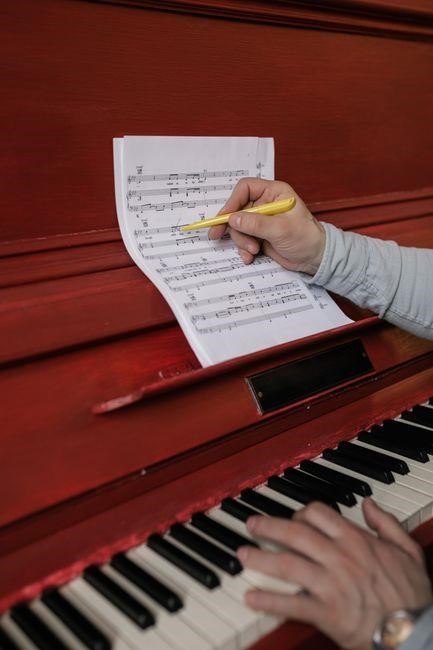
Practice Tips and Common Challenges
When working with the carol of the bells sheet music piano pdf, start by segmenting the piece into small, manageable sections. Focus on one phrase at a time, ensuring correct rhythm and articulation before moving on. Use a metronome to keep a steady pulse, gradually increasing the tempo as accuracy improves.
- Finger independence: Practice scales and arpeggios that mirror the right‑hand trills to build strength and coordination.
- Dynamic control: Record yourself to hear how crescendos and diminuendos translate on the piano; adjust touch accordingly.
- Pedal technique: Keep the sustain pedal light; over‑pedaling can blur the rapid left‑hand ostinato.
- Hand coordination: Play hands separately, then together, to avoid cross‑hand interference.
Common challenges include maintaining even tempo during the fast passages, balancing the two hands, and controlling the sustain pedal to prevent a muddy sound. Overcome these by isolating difficult measures, practicing with a metronome, and using a light touch on the pedal. Consistent, focused practice will turn these obstacles into strengths, allowing you to deliver a polished performance of the carol of the bells Remember to practice each section slowly, gradually building speed, and always check the metronome to ensure rhythmic accuracy. Additionally, consider recording yourself to identify subtle timing issues and adjust accordingly allowing

Resources and Further Reading
Explore reputable sites offering carol of the bells sheet music piano pdf, such as IMSLP, Sheet Music Plus, and Musicnotes. Check academic libraries for licensed PDFs, and follow blogs that analyze performance techniques. Always verify copyright before downloading. Download responsibly!!
Key Signature and Tempo
In most published arrangements, the piece is set in a minor key that lends itself to its dramatic, bell‑like quality. The original version often appears in C minor, though some editions use A minor or D minor to accommodate different instrument ranges. The key signature typically contains three flats, but the arrangement may shift to a relative major for a brighter feel. Tempo markings vary slightly between publishers. A common indication is “Allegro” or “Vivace,” usually interpreted as 120–140 beats per minute. Some editions add a “moderato” section in the middle of the score, slowing the pulse to around 90–100 bpm before returning to the faster tempo. Pianists should pay close attention to the metronome markings at the top of the first page and any tempo changes indicated in the middle of the score. When playing the piece, the initial fast tempo sets the energetic mood, while the slower sections provide contrast and emotional depth. Adjusting the tempo gradually during practice helps maintain rhythmic precision and dynamic control. It is also useful to listen to recordings that follow the score’s tempo indications closely, as this can guide interpretation and ensure that the bell‑like motifs are delivered with clarity and impact.
Because the original composition is in a minor key, the key signature often contains three flats (B♭, E♭, A♭). Some editions, however, transpose the piece to C minor to accommodate piano range, which removes the need for accidentals. The tempo is typically marked Allegro (≈120–140 bpm), but the middle section may slow to Moderato (≈90–100 bpm). Pianists should read the metronome markings carefully and adjust their playing accordingly. Use a metronome to maintain consistent tempo throughout and practice slowly!!!
The most recognizable motif in the piece is the short, repeated bell‑like figure that appears at the beginning of each section. This motif is built from a simple arpeggiated pattern that mimics the ringing of a bell, using a rapid sequence of notes that ascend and descend in a stepwise fashion. The motif is often repeated in different registers, creating a sense of echo and depth. Another recurring theme is the rhythmic ostinato that underlies the melody. This ostinato is a syncopated pattern that drives the piece forward and gives it a sense of forward motion. It is often played in the left hand, while the right hand carries the melodic line. The combination of the bell motif and the ostinato creates a layered texture that is both energetic and lyrical. The piece also uses a series of harmonic progressions that move from the tonic minor chord to the dominant major chord, creating a sense of tension and release. This harmonic movement is a common feature of many Christmas carols, and it gives the piece its festive character. In addition, the piece uses a variety of dynamic markings that range from pianissimo to fortissimo. These dynamics help to create contrast and drama, and they also help to highlight the bell motif. The piece is often performed with a bright, clear tone that emphasizes the bell motif and the rhythmic ostinato. The use of pedal is also important, as it helps to sustain the notes and create a ringing effect. Overall, the common themes and motifs in the piece create a sense of joy, wonder, and celebration. The piece is a perfect example of how a simple motif can be transformed into a complex and beautiful musical work.!!!!!
Discover how to locate and use carol of the bells sheet music piano pdf for holiday performances. This guide explains key steps, from searching reputable sites to ensuring legal downloads. It also highlights common pitfalls and offers quick tips for beginners. Perfect for both soloists and ensembles, it brings joy to any setting.
Official Publishers
For performers seeking authentic editions, several reputable publishers provide reliable scores. The most widely used edition is published by Hal Leonard, which offers a clear arrangement that retains the original rhythmic drive while simplifying passages for players. Their edition includes a full score, a piano reduction, and a set of performance notes that explain the use of pedal and dynamic shaping. Another respected source is Alfred Music, whose edition focuses on pedagogical clarity. It features a detailed fingering system, tempo markings, and a concise commentary on the harmonic structure, making it ideal for students and teachers alike. In addition, the publisher G. Schirmer has released an edition that emphasizes the orchestral texture of the original composition. While the piano reduction is faithful to the orchestral score, it also offers optional accompaniment tracks for rehearsal purposes. For those who prefer a more traditional approach, the publisher Boosey & Hawkes provides a faithful transcription that preserves the original key signatures and dynamic nuances. Their edition is often used in concert settings and includes a set of rehearsal marks that help conductors coordinate ensemble performances. Finally, the online platform IMSLP hosts a public domain edition that is available and high quality to the public. This edition is useful for reference and for those who need a solution. However, it may lack the detailed editorial notes found in the commercial editions. Overall, selecting the right publisher depends on the performer’s level, the desired fidelity to the original score, and the availability of supplementary materials such as performance notes and rehearsal aids. By consulting these reputable sources, musicians can ensure they have the most accurate material for their practice and performance sessions.
Free Online Resources
For pianists seeking a free edition of Carol of the Bells, several reliable sites offer downloadable PDFs that respect copyright. The most popular source is IMSLP (International Music Score Library Project), which hosts a public‑domain version of the original composition. The PDF is clean, includes the full score, and is available in multiple page sizes. Musicians can download the PDF directly, print it, or view it on a tablet. Another excellent option is MuseScore, a community‑driven platform where users upload their own arrangements. The Carol of the Bells arrangement on MuseScore is highly rated, featuring a piano reduction that preserves the rhythmic drive of the original. The file comes with a full score view, a simplified version for beginners, and a playback feature that lets you hear the piece before you play. 8notes offers a free piano arrangement that is easy to read and includes a metronome setting. The PDF is downloadable, and the site provides a short tutorial on how to use the sheet with a digital metronome. When using any free resource, always verify that the edition is legal and that the publisher has the right to distribute the score. This ensures that you are not infringing on copyright and that the music you are playing is authentic. These resources provide convenient, cost‑free options for practice and performance, making the piece accessible to all pianists for beginners !!??.
Rhythm and Dynamics
Rhythm and dynamics give Carol of the Bells its driving energy. The piano PDF shows a syncopated ostinato that repeats every 4/4 measure, with accents shifting to create a relentless pulse. The right hand carries rapid arpeggios while the left hand supplies a steady, accented bass line. Tempo is marked 120–140 bpm; many pianists choose a slightly faster pace for festive vigor. Dynamics range from delicate piano in the opening to powerful fortissimo in climactic sections. Crescendo markings build tension, and the pianist must balance bright metallic chords with darker lower registers. A common challenge is maintaining evenness across repeated motifs; a metronome helps keep the pulse steady. Pedal use is crucial: a light sustain blends chords, but overuse blurs rhythm. Practicing with a metronome set to 120 bpm, then gradually increasing to 140 bpm, internalizes the drive. Dynamic markings—p, mp, mf, f, ff—guide emotional contour. A well‑timed crescendo from p to ff in the middle section creates a dramatic build essential for a compelling performance. The bell motif—three short notes followed by a longer one—repeats throughout; the pianist must keep this motif consistent while allowing dynamics to ebb and flow. Mastering these rhythmic and dynamic nuances brings the timeless charm of Carol of the Bells to life. When performing, pianists should focus on the subtle shifts in tempo that occur at the end of each phrase, as indicated by the ritardando markings. These accelerandos not only heighten the effect but also require precise control of the sustain pedal to avoid muddiness. By carefully balancing the rhythmic drive with dynamic shading, the piece achieves its festive sparkle!!
Be First to Comment